Emergency Lighting Testing Requirements for Tamworth Businesses (AS/NZS 2293 Explained)
In a busy commercial environment, emergency situations are rarely expected but must always be planned for. Power failures, fire alarms, or electrical faults can instantly change how people move through a building. In these moments, visibility becomes critical. Emergency lighting systems exist to ensure occupants can safely exit when normal lighting fails, reducing confusion and helping people move calmly towards exits.
For business owners and facility managers, these systems are not optional extras but regulated safety infrastructure. Emergency lighting plays a direct role in workplace safety planning, building compliance, and risk management. Understanding how emergency lighting works, how it must be tested, and what Australian standards require is essential for maintaining both safety and operational continuity. When systems are properly maintained, they provide reassurance that a building is prepared for unexpected events.
Emergency Lighting Exists to Protect People When Normal Power Fails
We recognise emergency lighting as a critical safety measure designed to guide occupants during unexpected power disruptions. These systems activate automatically when mains power is lost, illuminating exit paths and critical areas to prevent confusion or injury.
Emergency lighting supports safe evacuation by:
- Highlighting exits, corridors, stairwells, and changes in floor level
- Reducing panic by maintaining visibility in low-light conditions
- Allowing emergency services to navigate buildings safely
For commercial premises, emergency lighting is an essential part of broader workplace safety obligations. Its effectiveness depends on correct installation, ongoing maintenance, and regular testing carried out by qualified professionals.
AS/NZS 2293 Sets the Legal Standard for Emergency Lighting Systems
We refer to AS/NZS 2293 as the primary Australian and New Zealand standard governing emergency lighting design, installation, operation, and testing. This standard exists to ensure emergency lighting systems perform reliably during emergencies and are maintained to a consistent national benchmark.
AS/NZS 2293 outlines technical requirements, testing intervals, and documentation expectations. It applies across a wide range of commercial and public buildings, regardless of size or industry. Importantly, the standard is designed around real-world emergency scenarios, ensuring lighting remains operational long enough for safe evacuation.
Compliance is not optional, as AS/NZS 2293 is referenced by building codes and workplace safety regulations. Businesses are expected to demonstrate that systems are maintained and tested in accordance with the standard. Understanding these obligations helps business owners avoid gaps in compliance that may otherwise go unnoticed until an incident or inspection occurs.
What Emergency Lighting Testing Involves Under AS/NZS 2293
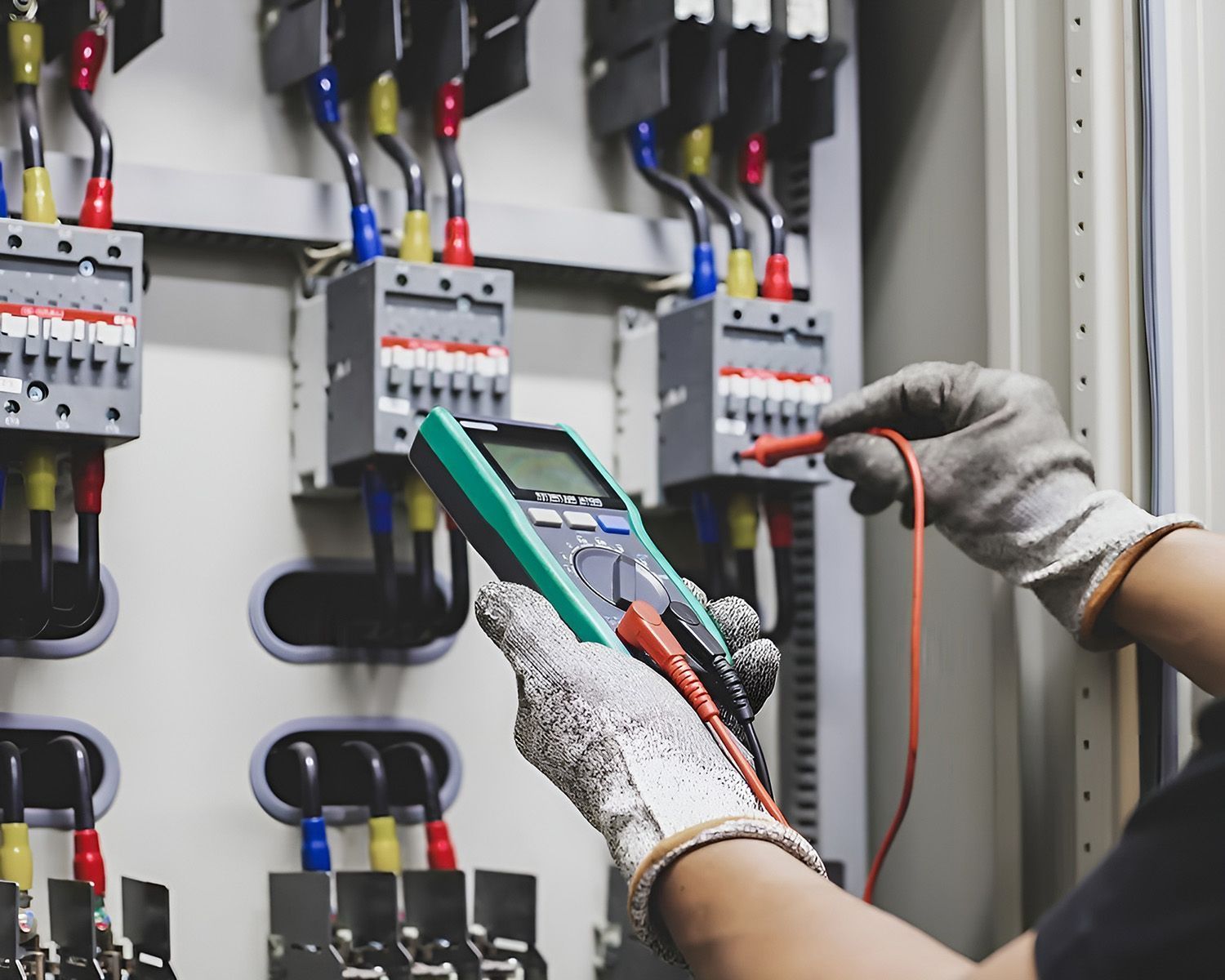
We approach emergency lighting testing as a structured process rather than a simple visual check. Testing confirms that systems will operate correctly when required and identifies issues before failures occur.
Testing typically includes:
- Visual inspections to identify physical damage or faults
- Discharge testing to confirm battery performance and duration
- Verification that lights activate automatically during power loss
These checks ensure luminaires, batteries, and control systems function as intended. Any deficiencies identified during testing can then be addressed promptly to maintain compliance and safety.
How Often Emergency Lights Must Be Tested and Why Timing Matters
We understand that testing frequency is a key component of compliance. AS/NZS 2293 specifies regular testing intervals to ensure systems remain operational over time. These intervals are based on the known lifespan and degradation patterns of emergency lighting batteries and components.
Routine testing helps identify gradual performance decline that may not be visible during day-to-day operation. Batteries can lose capacity over time, meaning lights may activate but fail to operate for the required duration. Consistent scheduling ensures these issues are detected early.
Skipping or delaying tests increases the likelihood of system failure during emergencies. Maintaining a predictable testing schedule also simplifies record keeping and demonstrates a proactive approach to safety compliance.
Record Keeping Is a Mandatory Part of Emergency Lighting Compliance
We treat documentation as an essential part of emergency lighting maintenance. AS/NZS 2293 requires that testing results are recorded and retained as evidence of compliance.
Records typically include:
- Dates of inspections and discharge tests
- Details of any faults identified and repairs completed
- Confirmation of test duration and outcomes
Accurate record keeping provides transparency and supports audits, insurance assessments, and safety reviews. It also helps track system performance over time and plan future maintenance.
Common Signs Emergency Lighting May Not Be Functioning Correctly
We often identify faults through observable signs that indicate emergency lighting systems may not be operating as required. These issues can develop gradually and go unnoticed without regular inspection.
Indicators of potential problems include lights that appear dim, flicker, or fail to illuminate during testing. Units that do not activate immediately when power is interrupted also signal possible battery or wiring issues. Recognising these signs early allows corrective action to be taken before safety is compromised.
The Real Risks of Non-Compliance for Business Owners
We see non-compliance as more than a regulatory issue. Failing to meet emergency lighting testing requirements can expose businesses to significant risks.
Potential consequences include:
- Increased risk of injury during emergencies
- Breaches of workplace health and safety obligations
- Complications with insurance claims following incidents
Non-compliance can also lead to enforcement action if deficiencies are identified during inspections. Maintaining compliant systems protects both occupants and business operators.
Qualified Commercial Electricians Ensure Testing, Repairs, and Compliance
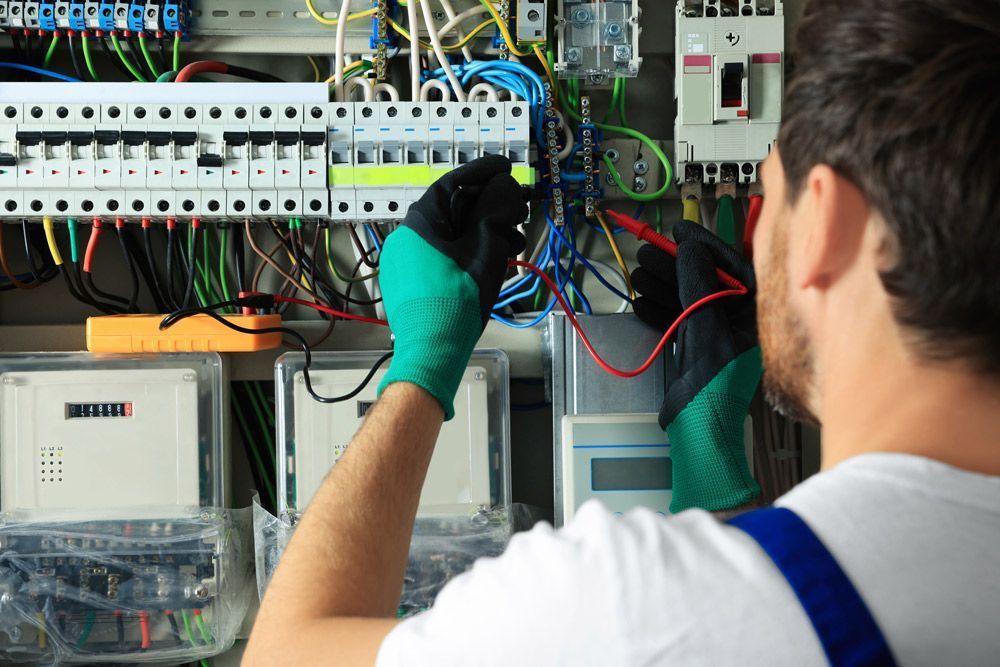
We believe emergency lighting compliance relies on professional expertise. Qualified commercial electricians understand AS/NZS 2293 requirements and how to apply them correctly across different building types and operational environments.
Professional services extend beyond testing alone. They include identifying system upgrades, replacing ageing components, and ensuring new installations integrate correctly with existing electrical infrastructure. This comprehensive approach helps businesses maintain compliance over time rather than addressing issues reactively.
By engaging licensed professionals, businesses gain confidence that emergency lighting systems are tested accurately, documented correctly, and maintained in line with current standards. This reduces uncertainty and supports long-term safety management.
We at Premiair Refrigeration, Air Conditioning & Electrical understand the responsibility Tamworth businesses carry when it comes to emergency lighting compliance. With changing regulations, ageing systems, and the need for accurate testing records, managing emergency lighting can quickly become complex without the right support. Our team assists with routine testing, detailed reporting, fault identification, repairs, and system upgrades, helping businesses maintain compliance with AS/NZS 2293 while prioritising workplace safety. If you are unsure whether your emergency lighting is due for testing, showing signs of failure, or meeting current requirements, now is the right time to arrange a professional assessment. Contact us today to book an inspection or discuss your compliance obligations, and visit https://www.premiair.com.au/ to take the next step toward a safer, fully compliant workplace.