Common Causes Of Electrical Failures In Offices
Office electrical failures often start with overloaded circuits, ageing wiring, loose connections, faulty equipment or neglected maintenance. A qualified commercial electrician in Tamworth can identify these problems before they cause serious disruption, helping protect staff, equipment and day-to-day operations. Knowing the common causes also makes it easier for office managers and property owners to recognise warning signs early.
Why Office Electrical Failures Cost More Than You Think
An electrical fault doesn't need to shut down an entire building to become expensive. Losing power to workstations, communications equipment, lighting or air conditioning can interrupt normal operations and leave staff unable to perform essential tasks.
Recurring problems can be particularly disruptive. A circuit breaker that keeps tripping might be repeatedly reset without anyone investigating the underlying cause.
Warning signs such as unusual smells, discoloured outlets, buzzing equipment, flickering lights and unexplained power loss deserve professional attention. Addressing the cause early can help prevent a minor fault from becoming a larger problem.
Overloaded Circuits And Too Many Devices
Modern offices rely on computers, monitors, printers, kitchen appliances, chargers and other electrical equipment. Problems can arise when this demand exceeds what a circuit was designed to support.
Older offices are particularly worth reviewing because their electrical systems may have been designed when each workstation required far fewer devices. Adding power boards and extension leads provides more connection points but does not increase the capacity of the underlying circuit.
For example, an office kitchen may repeatedly lose power whenever staff use a kettle, microwave and sandwich press together. Instead of continually resetting the breaker, an electrician can assess the connected load and determine why the protective device is operating.
Repeatedly tripping circuit breakers should be investigated rather than treated as an inconvenience.
Ageing Wiring And Outdated Switchboards
Commercial properties change over time. Offices are renovated, workstations are added and new equipment is installed, while the wiring and switchboard may remain largely unchanged.
Ageing wiring can develop damaged insulation, deterioration or connection problems. An outdated switchboard may also no longer suit the demands of the premises, particularly after years of alterations or additions.
Because the switchboard distributes and protects electrical circuits throughout the office, problems there can affect multiple areas of the property. An electrician can inspect the installation and determine whether repairs, alterations or a switchboard upgrade are appropriate. This is particularly useful before renovations, office expansions or the installation of equipment that substantially changes electrical demand.
Loose Connections, Worn Outlets And Overheating
Some electrical failures develop gradually. Connections can loosen, outlets can wear and damaged components may begin generating abnormal heat before they fail completely.
Common warning signs include:
- Warm or discoloured switches and outlets
- Buzzing or crackling sounds
- Loose-fitting plugs
- Intermittent power
- Burning smells
- Repeatedly tripping breakers or safety switches
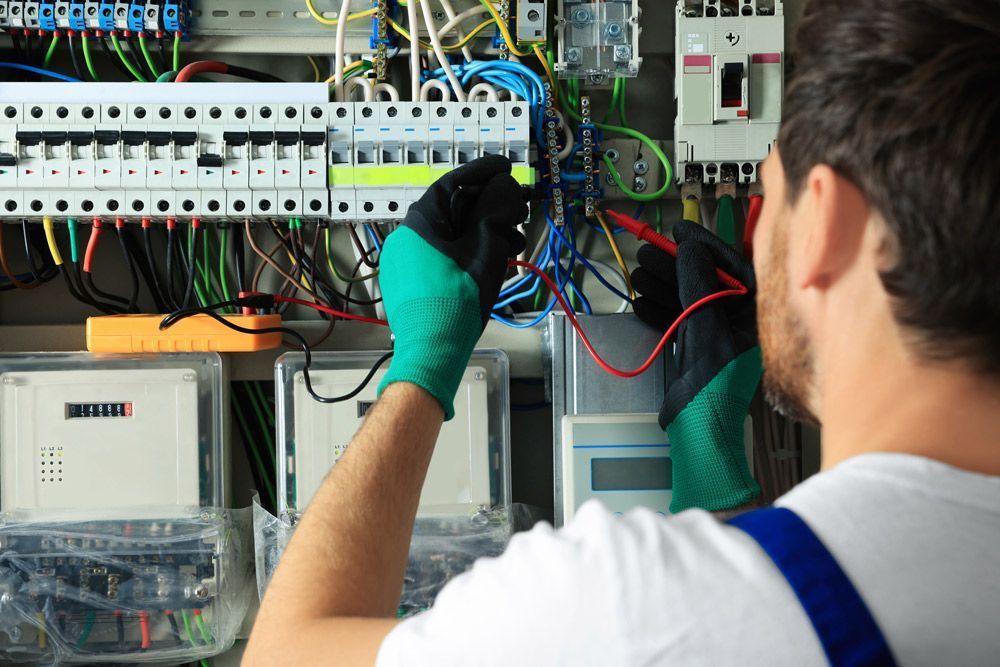
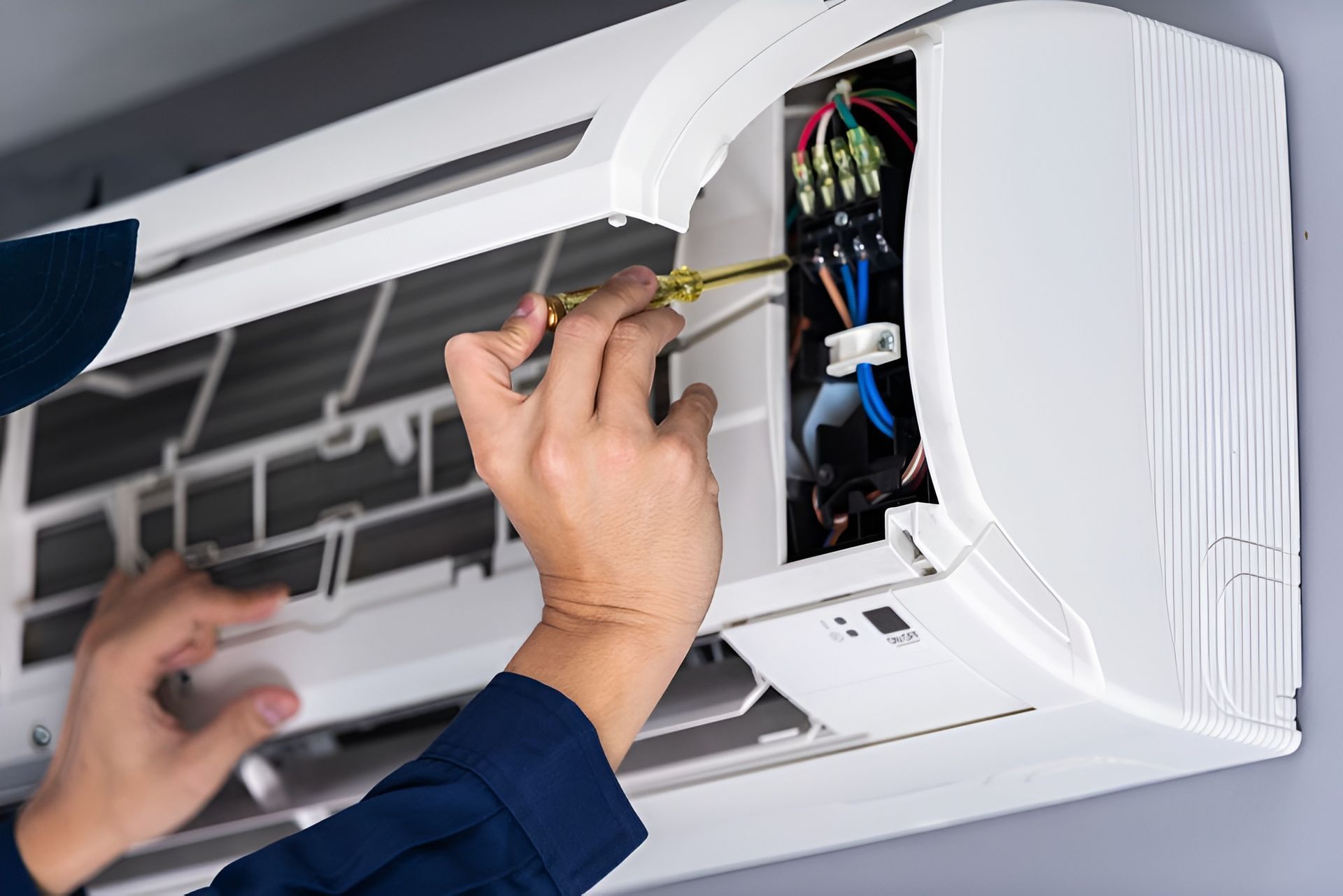
Staff should never remove electrical covers or attempt internal repairs themselves. Stop using affected equipment where safe and arrange an inspection by a licensed electrician. For some commercial installations, thermal imaging may also help electricians identify abnormal heat patterns that warrant further investigation.
Power Surges And Voltage Fluctuations
Computers, servers, networking equipment and electronic control systems depend on a suitable electrical supply. Power surges and voltage fluctuations can interrupt their operation or contribute to equipment problems.
Electrical disturbances may originate within the premises or from the wider electricity supply, so identifying the actual cause matters. If multiple devices repeatedly reset, fail or behave unpredictably, professional fault-finding can determine whether there is an issue with the office electrical installation.
Surge protection may form part of the solution for some premises. Businesses with critical equipment may also need to consider appropriate backup power and protection as part of their broader business continuity planning.
Neglected Safety Switches, Emergency Lighting And Testing
Safety switches and emergency lighting can easily be overlooked during normal office operations, yet they need to function correctly when required.
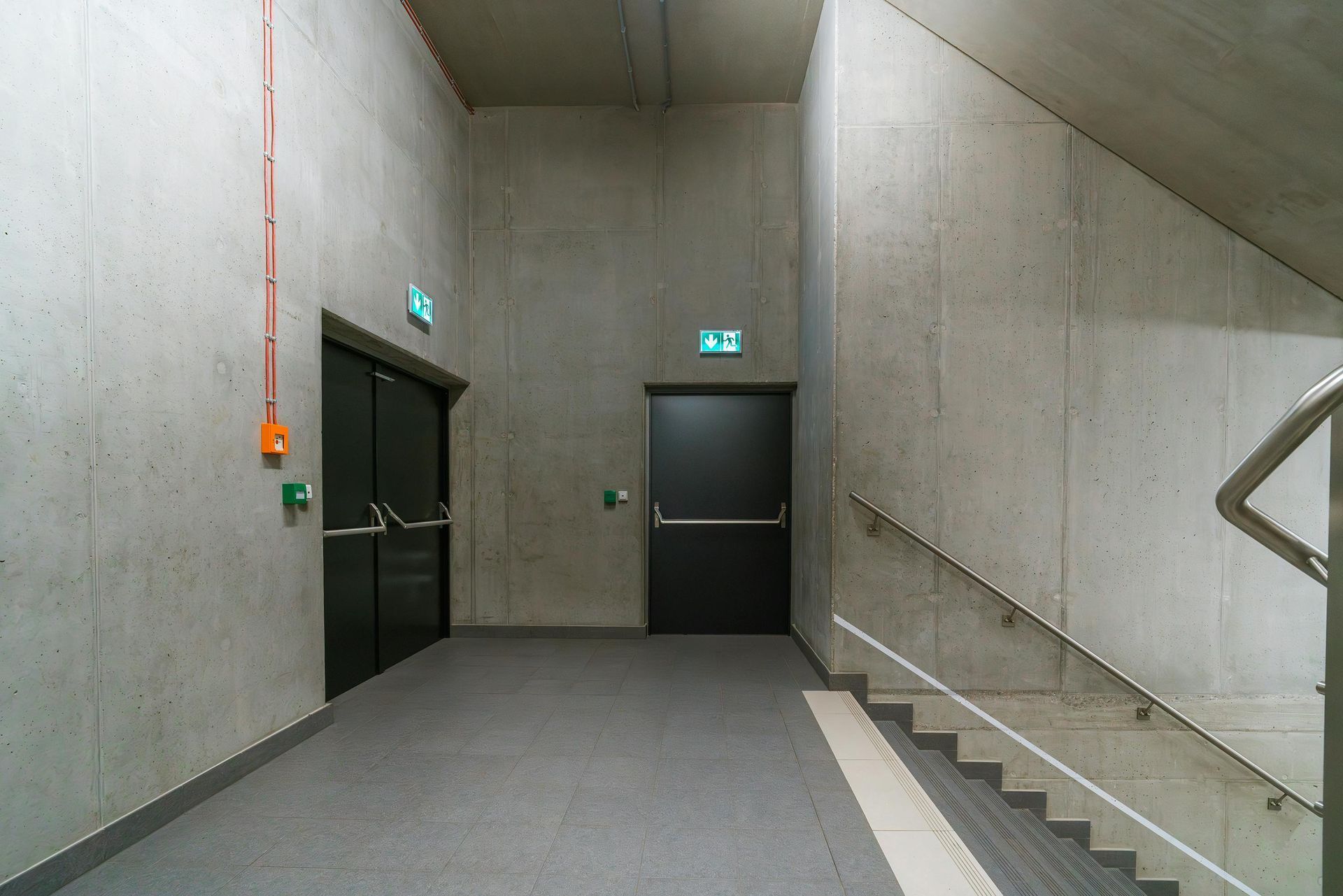
Commercial property managers should have suitable inspection, testing and maintenance procedures for relevant electrical safety systems. Regular emergency lighting testing forms part of maintaining appropriate emergency and exit lighting arrangements.
Portable electrical equipment may also require inspection and testing depending on the workplace, equipment and applicable requirements. Rather than applying an arbitrary schedule to every device, test and tag programs should reflect the relevant requirements and workplace risks. Keeping maintenance records also helps managers track inspections, defects and required follow-up work.
How Preventative Maintenance And Inspections Stop Failures Before They Happen
Waiting until something stops working can turn a manageable electrical issue into an urgent business problem. Planned inspections allow developing faults and deterioration to be identified earlier. The right maintenance program will depend on the age, size, use and electrical demands of the premises. Office electrical maintenance may include:
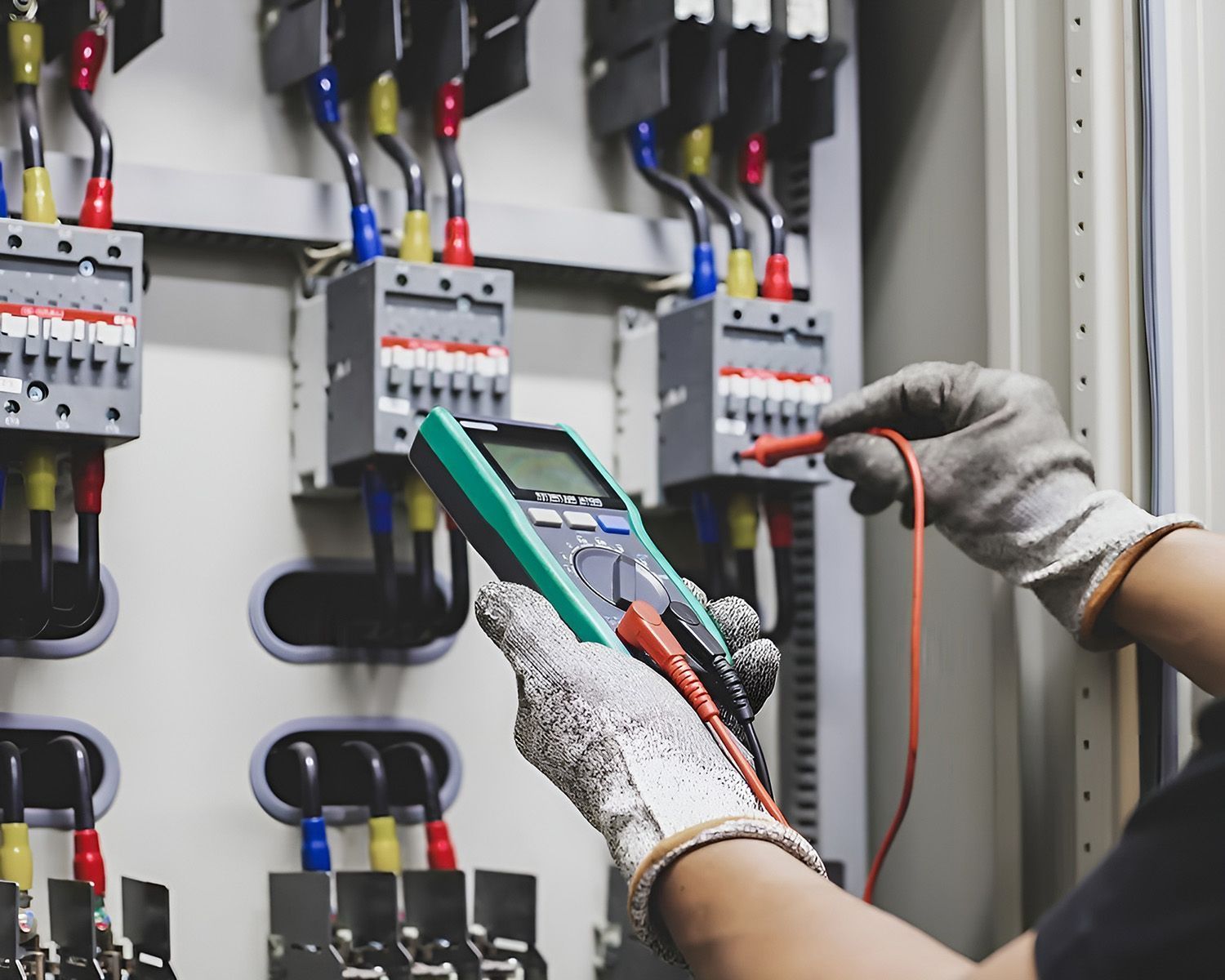
- Inspecting switchboards and protective devices for deterioration or other issues requiring attention.
- Checking outlets and switches for damage, overheating or wear.
- Testing relevant safety systems, including safety switches and emergency lighting.
- Investigating recurring faults such as breaker trips, flickering lights or intermittent power.
- Reviewing electrical loads when new workstations, equipment or renovations change how the building uses electricity.
Scheduling preventative electrical maintenance gives businesses a structured way to address electrical issues instead of relying entirely on reactive repairs.
According to industry best practice, maintenance should suit the specific installation and operating environment rather than follow a one-size-fits-all approach.
Choosing A Commercial Electrician In Tamworth For Your Office
Commercial electrical work requires more than repairing the immediate fault. The electrician also needs to understand how electrical problems affect staff, equipment and business operations.
Look for appropriate licensing and experience with commercial fault-finding, switchboards, safety inspections, emergency lighting, testing and ongoing maintenance. Clear communication is important too: managers should understand what caused the problem, what requires immediate attention and what can be planned for later.
If you've been searching for a commercial electrician because breakers keep tripping or parts of the office regularly lose power, arrange an inspection rather than repeatedly resetting the affected circuit. The key takeaway is that many office electrical failures provide warning signs before a major disruption occurs. Responding early and maintaining electrical infrastructure proactively can help improve reliability, manage safety risks and reduce avoidable downtime.
Premiair Refrigeration, Air Conditioning & Electrical provides commercial electrical services throughout Tamworth and surrounding regional NSW. For fault-finding, switchboard work, safety inspections, testing or ongoing maintenance, contact the Premiair team to arrange professional electrical support for your business.
Frequently Asked Questions
Why does the circuit breaker in my office keep tripping?
A circuit breaker may trip because of an overloaded circuit, faulty appliance or another electrical problem. If it happens repeatedly, have a licensed electrician investigate rather than continually resetting it.
What are the warning signs of faulty office wiring?
Possible signs include buzzing, burning smells, discoloured outlets, intermittent power, unusually warm switches and frequently tripping protective devices. These symptoms should be professionally assessed.
How often should a commercial office have an electrical inspection?
There is no single interval suitable for every office. Inspection requirements depend on the installation, equipment, building use, workplace risks and applicable standards or regulations.
What is preventative electrical maintenance?
Preventative electrical maintenance uses planned inspections, testing and servicing to identify developing problems before they cause failures. It can cover switchboards, outlets, safety devices, emergency lighting and other electrical systems.
Can an outdated switchboard cause electrical problems?
An older or unsuitable switchboard can present reliability or safety concerns, especially if the building's electrical demands have changed. A licensed electrician can determine whether repairs, alterations or an upgrade are appropriate.
Why is electrical maintenance important for offices?
Regular maintenance can identify deterioration and faults before they cause larger problems. This supports safer premises, reliable electrical systems and fewer unexpected interruptions.