When to Call a Professional for Air Conditioning Repairs
Most homeowners rely on their air conditioning system to maintain a comfortable indoor environment during warm weather. When the system is working correctly, it quietly regulates temperature and airflow without much attention. However, like any mechanical system, air conditioners can develop faults over time.
Sometimes the early warning signs are subtle. You may notice the unit taking longer to cool a room, unusual sounds from the outdoor unit, or an unexpected increase in electricity usage. While some minor issues can be addressed through simple maintenance such as replacing filters, others require professional diagnosis and repair.
Ignoring these warning signs can allow small faults to develop into larger mechanical problems that affect the system’s efficiency and reliability. Knowing when to call a professional technician helps protect your equipment and prevent more costly repairs later.
Understanding the most common indicators of air conditioning trouble can help homeowners respond quickly and maintain a reliable cooling system throughout the year.
When Your Air Conditioner Stops Cooling Properly
Reduced cooling performance is one of the most common signs that an air conditioning system may require professional repair. If the unit is running but the indoor temperature remains uncomfortable, the system may be struggling to perform its basic function.
Several issues can affect cooling efficiency. Refrigerant levels may drop due to leaks, airflow may become restricted, or internal components such as the compressor may begin to wear down. These issues are difficult to diagnose without proper tools and training.
When cooling performance declines, homeowners may notice:
- Rooms taking much longer to reach the desired temperature
- Air from vents feeling warm or only slightly cool
- Uneven temperatures between different rooms
- The system running continuously without shutting off
A qualified technician providing air conditioning services in Tamworth can inspect the system and identify whether the issue relates to refrigerant levels, airflow restrictions, or mechanical wear. Prompt repairs help restore cooling performance and prevent additional stress on the system.
Strange Noises Coming From the Unit Should Never Be Ignored
Air conditioning systems typically operate quietly, with only the sound of airflow or a gentle hum from the compressor. When unusual noises begin to occur, they often signal developing mechanical problems inside the unit.
Loose parts, worn bearings, or debris trapped in moving components can create sounds that gradually worsen if not addressed. In some cases, these noises may indicate damage that could lead to complete system failure.
Homeowners may notice sounds such as:
- Grinding or scraping noises during operation
- Rattling caused by loose internal components
- Buzzing sounds related to electrical components
- Clicking noises when the unit starts or stops
A professional technician can inspect the system to determine whether parts require tightening, lubrication, or replacement. Addressing unusual sounds early often prevents more significant damage to the system’s internal components.
Unusual Odours May Signal Electrical or Internal System Problems
Air conditioning systems are designed to circulate clean, neutral-smelling air throughout the home. When unpleasant odours begin to come through the vents, they may indicate internal contamination or mechanical issues.
Musty smells are often associated with moisture buildup inside the system, which can allow mould or bacteria to develop. In contrast, burning or electrical smells may suggest overheating components or wiring problems.
Common odours associated with air conditioning issues include:
- Musty or damp smells indicating moisture or mould growth
- Burning odours from overheating electrical components
- Chemical or refrigerant-like smells from system leaks
- Dusty smells caused by debris accumulating inside the system
Professional servicing may involve cleaning internal components, addressing moisture problems, or repairing electrical faults. These repairs help restore air quality while ensuring the system continues operating safely.
Frequent System Cycling Could Indicate Hidden Mechanical Issues
Short cycling occurs when an air conditioner repeatedly turns on and off without completing a full cooling cycle. Instead of running steadily until the desired temperature is reached, the system stops and restarts frequently.
This pattern can place unnecessary strain on the compressor and other components, leading to increased wear and reduced efficiency.
Several factors may cause short cycling, including airflow restrictions, thermostat faults, or incorrect system sizing.
Common causes of frequent cycling include:
- Dirty or clogged air filters restricting airflow
- Thermostats that are incorrectly calibrated
- Refrigerant levels that are too high or too low
- Oversized systems that cool spaces too quickly
Professional technicians can perform diagnostic tests to determine why the system is cycling abnormally and recommend appropriate repairs. Resolving short cycling improves energy efficiency and helps extend the lifespan of the equipment.
Water Leaks Around the Air Conditioner Are a Warning Sign
Air conditioners naturally produce condensation as they remove humidity from the air. This moisture normally drains through a dedicated condensate line. When that drainage system becomes blocked or damaged, water may begin to collect around the unit.
While a small amount of moisture may seem harmless, ongoing leaks can damage floors, walls, and nearby furnishings. They may also signal deeper system problems.
Water leaks around air conditioners may result from:
- Blocked condensate drain lines
- Frozen evaporator coils that later thaw
- Cracked or damaged drain pans
- Excess humidity overwhelming the drainage system
A professional technician can clear blockages, repair drainage components, and inspect the system for conditions that may cause freezing or excess moisture. Prompt repairs help prevent water damage and ensure the air conditioner operates as intended.
Sudden Spikes in Energy Bills Can Indicate System Inefficiency
Many homeowners first realise there may be an air conditioning problem when their electricity bill increases unexpectedly. When a cooling system loses efficiency, it must run longer and work harder to maintain indoor temperatures.
Several factors may contribute to declining efficiency. Dirty components, refrigerant leaks, and ageing parts can all reduce the system’s ability to transfer heat effectively.
Possible causes of increased energy consumption include:
- Dust buildup on coils reducing heat exchange efficiency
- Blocked air filters restricting airflow
- Refrigerant leaks affecting cooling capacity
- Faulty thermostats causing extended operation
Professional maintenance and repairs can restore system efficiency by addressing these underlying issues. This often reduces unnecessary energy use and improves the overall performance of the air conditioning system.
Electrical Issues Require Immediate Professional Attention
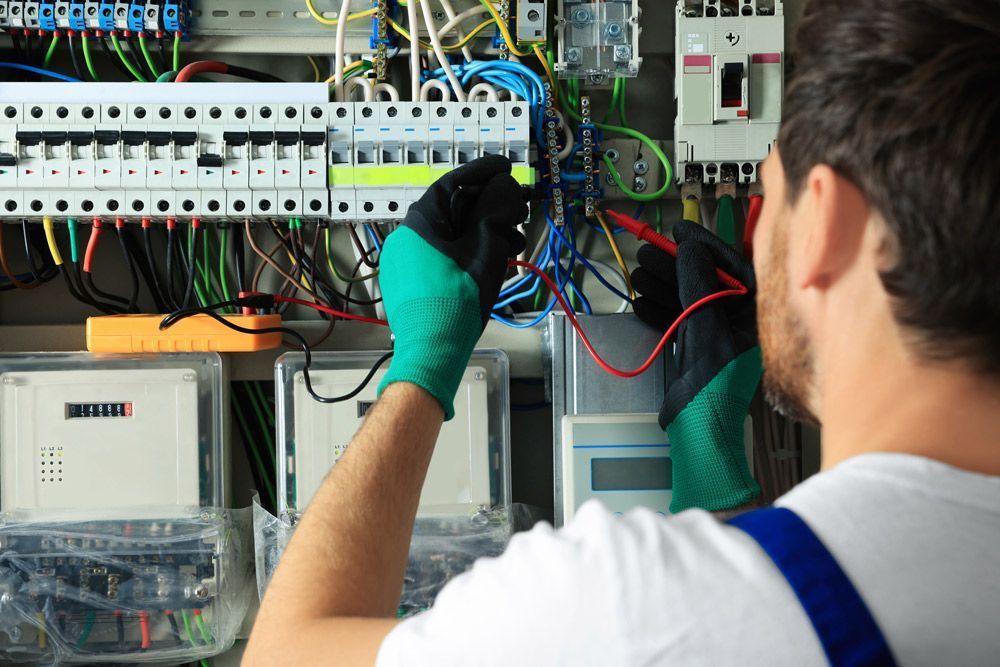
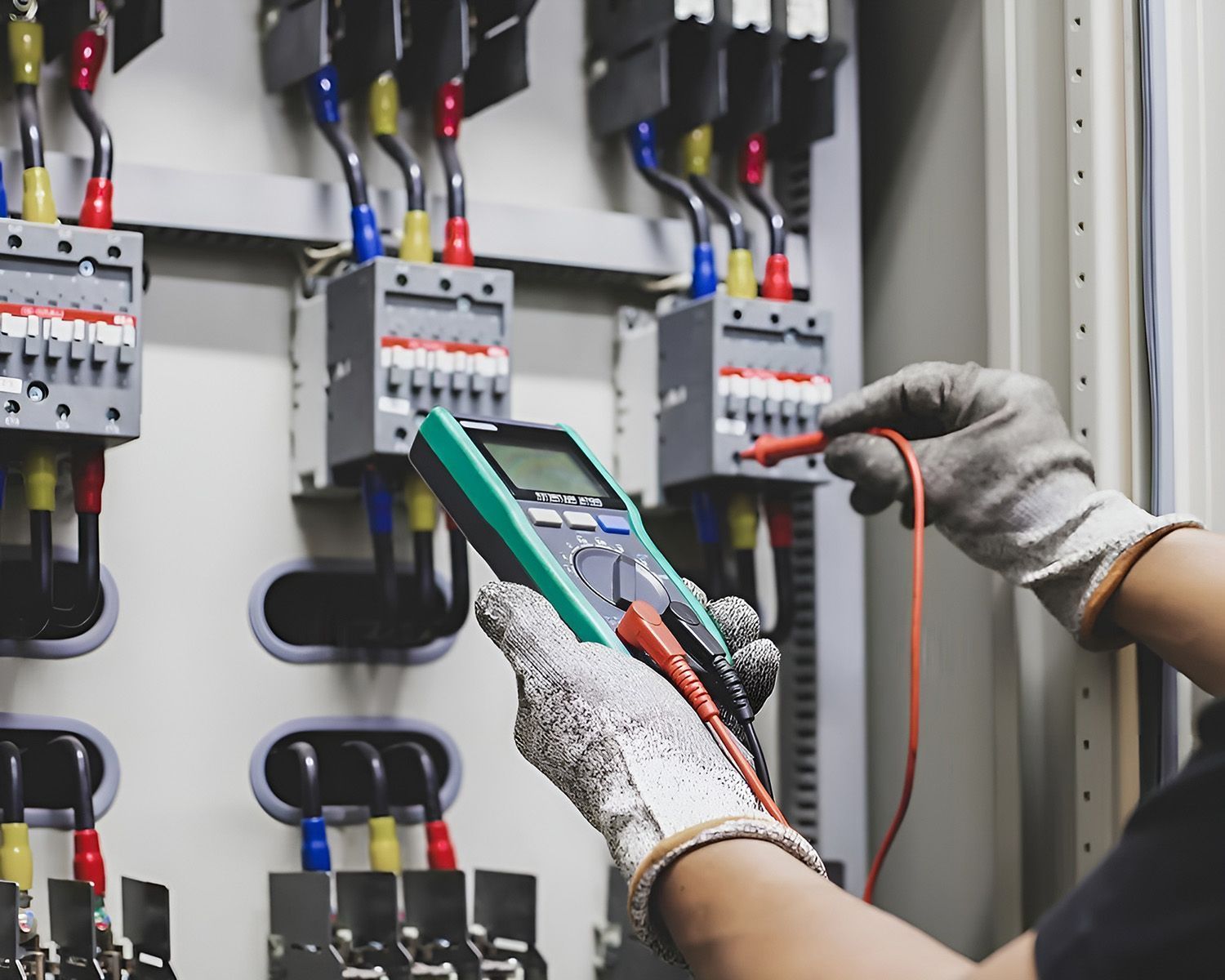
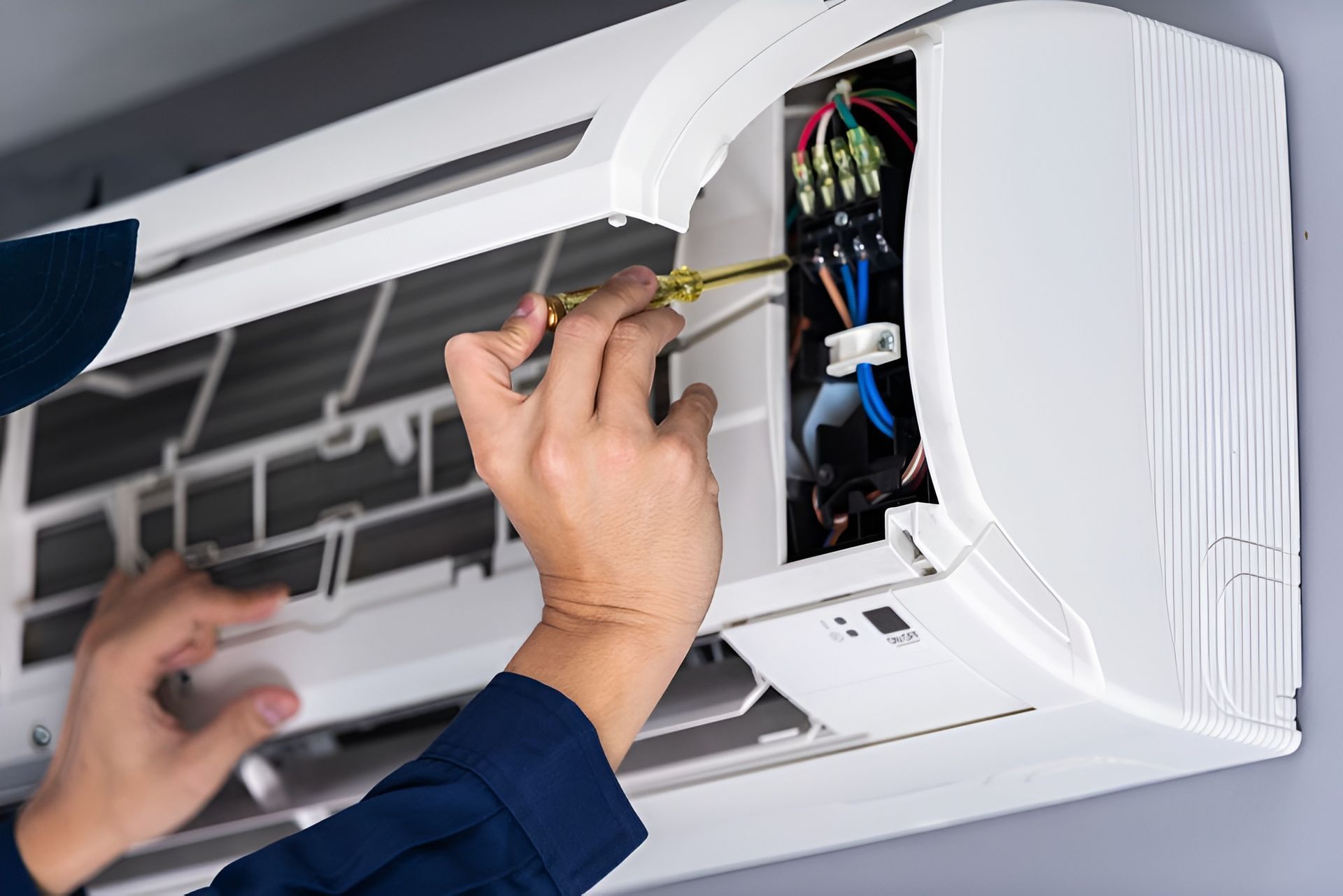
Air conditioning systems contain complex electrical components that control compressors, fans, and thermostats. When electrical problems occur, they should always be handled by qualified technicians.
Attempting to repair electrical issues without proper training can be dangerous and may damage the equipment further.
Warning signs that may indicate electrical faults include:
- Circuit breakers tripping when the system starts
- The air conditioner failing to power on
- Intermittent operation or sudden shutdowns
- Burning smells near electrical components
Technicians offering air conditioning services can safely diagnose wiring problems, replace damaged components, and ensure the system operates within safe electrical limits.
Routine Maintenance Helps Prevent Unexpected Air Conditioning Failures
While repairs are sometimes unavoidable, many air conditioning problems can be prevented through routine maintenance. Regular servicing allows technicians to inspect key components, identify early signs of wear, and ensure the system operates efficiently.
Maintenance appointments provide an opportunity to clean internal parts, check refrigerant levels, and verify that airflow is unrestricted.
Preventative servicing often includes:
- Cleaning coils and removing accumulated dust
- Inspecting and replacing air filters
- Checking refrigerant levels and system pressure
- Testing electrical connections and system controls
Regular inspections help reduce the likelihood of sudden breakdowns during periods of high demand. They also ensure the system continues operating efficiently throughout the year.
We at Premiair Refrigeration, Air Conditioning & Electrical understand how important reliable cooling is for homes across Tamworth, particularly during periods of high temperatures when air conditioning systems are working hardest. Dust, heat, and extended system use can all contribute to wear and unexpected faults.
If your system is showing signs such as reduced cooling, unusual sounds, water leaks, or rising electricity bills, arranging professional air conditioning repairs in Tamworth can help restore performance and prevent more serious issues.
Visit https://www.premiair.com.au/ to learn more about our services or contact our team to arrange an inspection and keep your air conditioning system operating safely and efficiently.